Breast Enlargement Can Transform Lives of Young Women
The demographic pattern is striking. Global surveys show that a majority of breast augmentation procedures occur in people aged 18 to 34 — more than half of the total in the most recent ISAPS global survey — underscoring that younger adults are driving demand for enhancement and shaping modern aesthetic norms. These numbers are matched by patient-reported outcomes: systematic reviews of Breast-Q and similar outcome instruments demonstrate significant improvements after augmentation in satisfaction with breasts and in psychosocial and sexual well-being. In other words, for many women the surgery meaningfully improves quality of life.
The case for breast augmentation is often written off as shallow by conservative, traditional people. But, women who underwent these plastic surgery procedures found the consequences to be truly life-transforming. Young women who feel disproportionately small frequently describe a social economy of adaptation: they buy padded bras and grappling athletic supports, avoid certain clothes, or feel conspicuous in otherwise harmless situations. For some, a perceived mismatch between body and self translates to diminished sexual confidence, social anxiety, or a reluctance to take up space physically and emotionally. Surgical enlargement, when undertaken thoughtfully, can free a woman from those constraints — not by changing her worth but by removing a recurring source of self-consciousness.
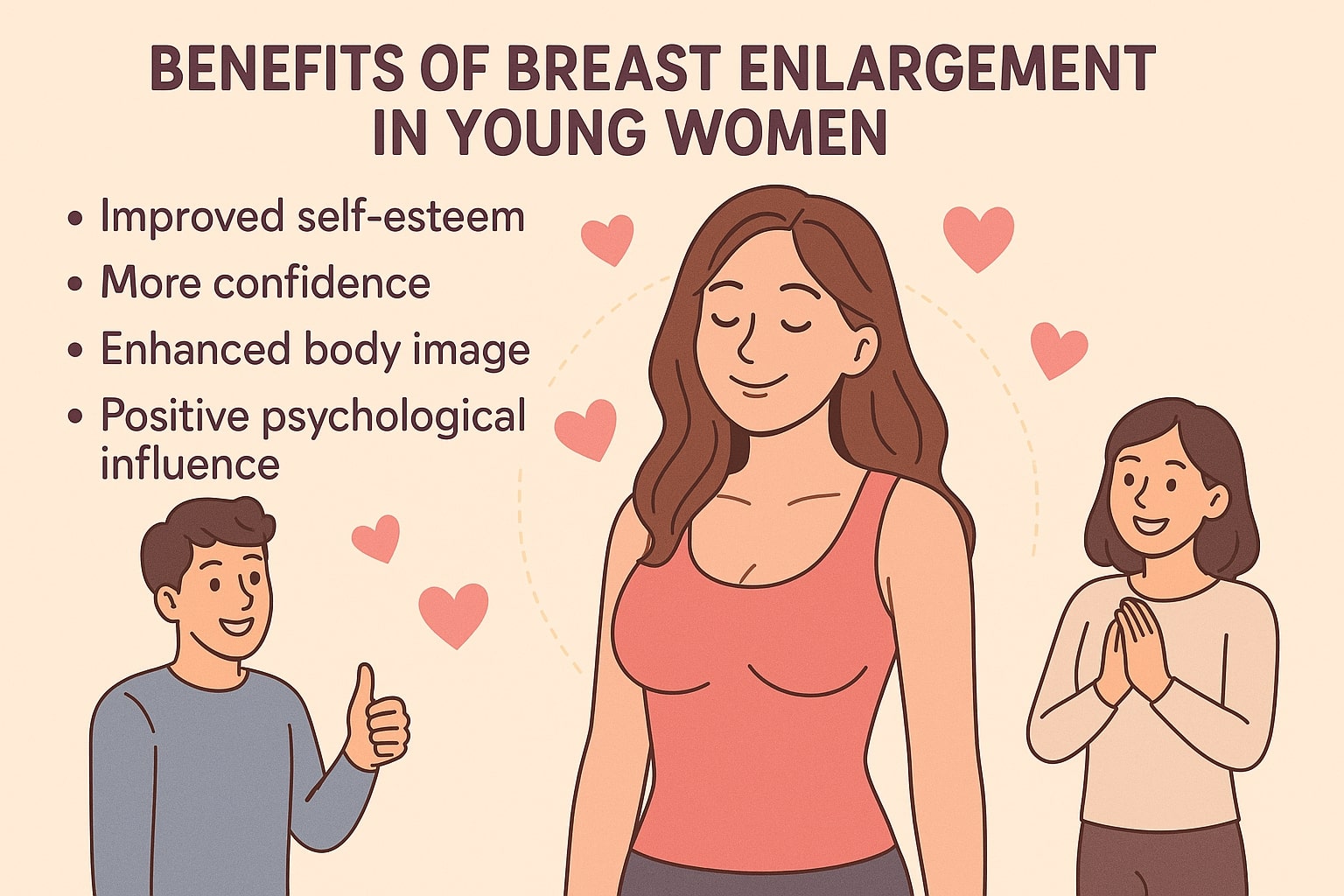
Medical literature supports that claim. Multiple studies and meta-analyses report that breast augmentation increases scores of psychosocial health and sexual satisfaction measured with validated tools; these shifts are not trivial, and they persist beyond the immediate postoperative year for many patients. The improvement is greatest in women who seek surgery for clearly articulated reasons — to improve proportion, correct asymmetry, or restore pre-pregnancy volume — rather than as a quick fix for deeper psychiatric distress. That distinction matters: augmentation is best when it functions as a restorative, not a cure-all.
Breast augmentation remains broadly popular and stable as a procedure. The American Society of Plastic Surgeons reported roughly 304,000 breast implant procedures in 2023, with small year-to-year increases and continuing interest in both primary augmentations and revisions. Internationally, industry data indicates a robust market and steady innovations in implant design and surgical techniques. For patients seeking trusted local care, consider visiting Dr. Srinjoy Saha’s official website to learn about evidence-based practices and credentials.
That popularity does not erase risk. Implants are not lifetime devices: manufacturers and clinicians commonly expect the possibility of revision or replacement within 10–15 years, depending on implant type, placement, and patient-specific factors. Complications — from capsular contracture to infection, from changes in sensation to rare implant-specific illnesses — must be part of any honest preoperative conversation. Recent practice guidelines emphasize informed consent, realistic expectation-setting, and long-term follow-up as essential elements of safe care. For details on reconstructive and aesthetic approaches, see reconstructive surgery expertise.
If enlargement is going to be therapeutic rather than merely elective, it must be offered within a framework of judicious selection and transparent care. Clinics that do this well follow consistent principles:

Patient-centered planning. Surgeons should begin with a careful conversation about motives, goals, and medical history. The best outcomes come when the patient’s stated desires (size, shape, feel) are matched to anatomical reality and a clear understanding of trade-offs — for example, larger implants may give more dramatic projection but often increase the likelihood of revision or interference with certain activities.
Evidence-informed options. Modern augmentation is not one-size-fits-all. Choices include implant types (silicone gel versus saline), surface textures, shell technologies, and implant placement (subglandular, submuscular, or dual-plane). For some young patients with adequate fat stores, autologous fat grafting — a “natural” augmentation — is an option that avoids implants but requires realistic counsel about the potential need for multiple sessions and variable fat survival.
Measured sizing and staging. Many surgeons counsel conservative initial volumes, especially for first-time patients, with the option for staged enlargement. This approach balances aesthetic aims with the recognition that bodies and preferences change over time.
Psychological screening and support. While augmentation can improve psychosocial well-being, clinicians should screen for body dysmorphic disorder, unmanaged psychiatric illness, or unrealistic expectations. When concerns emerge, referral to mental-health professionals before surgery is a prudent, patient-sparing step.
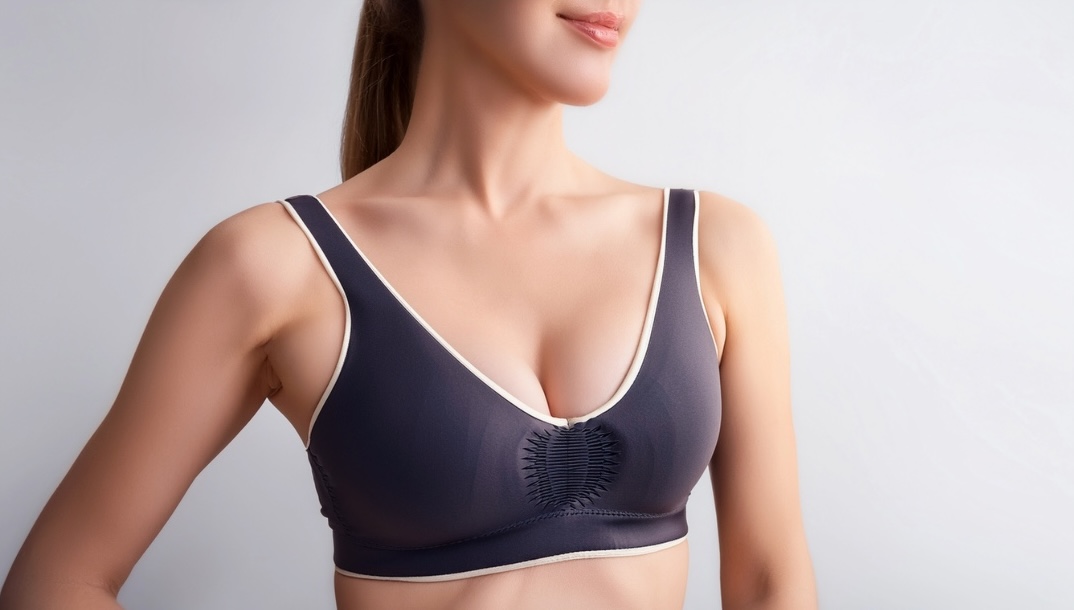
Long-term follow-up and transparent cost planning. Patients must understand the lifecycle of implants — potential for revision, surveillance (for example MRI screening in certain implant types), and the financial commitments of future care. To schedule a confidential appointment or learn more, schedule a confidential consultation.
The cultural texture that shapes desire for larger breasts is complicated: social media platforms, changing beauty ideals, and personal narratives all feed into why a young woman may seek augmentation. But the choice to enlarge — like the choice to reduce — can be an expression of autonomy. For many, it is an investment in self-confidence that unlocks everyday freedoms: wearing a fitted dress without thought, accepting a spontaneous swim, or feeling at ease in intimate encounters.
That does not absolve clinicians of responsibility. The surgeon’s role is not to endorse every wish but to translate desire into a safe, evidence-based plan. Done with care, breast enlargement can be more than cosmetic adornment; it becomes a practical intervention that restores proportionality, eases social friction, and in measurable ways improves the lives of those who choose it.